SPORTS MAGAZINE ADS
50 años de investigación sobre la psicología de las lesiones deportivas
Una declaración de consenso
|
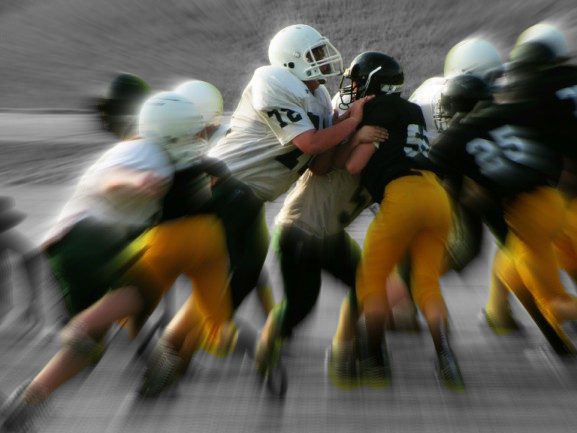
OPEN ACCESS: Artigo disponível/Article available/Artículo disponible - ASSINANTE/SUBSCRIBER: Artigo para Assinante do periódico/Article for Journal Subscriber/Artículo para suscriptores de este periódico - PAY-PER-VIEW: Compre o artigo e leia/Buy the article and read/Compra el artículo y lee - IMAGE: https://pixabay.com/en/users/Greyerbaby-2323/, CC0, via Wikimedia Commons |
Palabras clave:
Lesiones deportivas, psicología deportiva, medicina deportiva, rehabilitaciónResumen
Los factores que influyen en el riesgo de lesiones deportivas, los resultados de la rehabilitación y los procesos de retorno al deporte han sido objeto de estudio de diversas disciplinas (medicina deportiva, psicología y sociología). Una de estas disciplinas, con más de 50 años de estudio, es la psicología de las lesiones deportivas. A pesar de la investigación en este campo, no existe un consenso basado en la evidencia que guíe la práctica profesional. El objetivo de esta declaración de consenso, original y oportuna, es resumir la investigación sobre la psicología de las lesiones deportivas y proporcionar recomendaciones consensuadas para los profesionales del deporte que buscan implementar principios psicológicos en la práctica clínica. Un total de siete expertos con amplia experiencia definieron los objetivos del consenso e identificaron tres subdominios de la psicología de las lesiones deportivas: riesgo, rehabilitación y retorno al deporte. Los investigadores, agrupados en parejas, prepararon versiones iniciales de los subdominios asignados. El grupo se reunió en Estocolmo, y los tres textos se consolidaron en una versión final y se revisaron mediante un proceso iterativo. Las respuestas al estrés son el factor de riesgo psicológico más importante para las lesiones agudas. Los factores intra e interpersonales, así como los factores socioculturales, son factores de riesgo psicosociales comprobados para las lesiones por sobreuso. Se han implementado con éxito intervenciones de manejo del estrés y mindfulness para la prevención de lesiones. El proceso de rehabilitación puede influir en las respuestas cognitivas, emocionales y conductuales del atleta. El apoyo social, el mindfulness, las prácticas basadas en la aceptación y los programas de intervención cognitivo-conductual reducen las reacciones negativas. El regreso al deporte implica varias etapas y diferentes trayectorias. Los atletas que regresan al deporte suelen experimentar inquietudes relacionadas con la competencia, la autonomía y las relaciones interpersonales. Se recomienda que los atletas se centren en las exigencias físicas, técnicas y psicológicas de su deporte a medida que progresan hacia actividades cada vez más intensas. La colaboración interdisciplinaria (por ejemplo, medicina deportiva y psicología) sería beneficiosa para mejorar la práctica clínica y los resultados de los atletas.
Citas
(1) Putukian M. The psychological response to injury in student athletes: a narrative review with a focus on mental health. Br J Sports Med. [Internet]. 2016;50(3):145–148. Available from: https://doi.org/https://doi.org/10.1136/bjsports-2015-095586
(2) Reardon CL, Hainline B, Aron CM, Baron D, Baum AL, Bindra A, et al. Mental health in elite athletes: International Olympic Committee consensus statement (2019). Br J Sports Med. [Internet]. 2019;53(11):667–699. Available from: https://doi.org/10.1136/bjsports-2019-100715
(3) Ristolainen L, Kettunen JA, Kujala UM, Heinonen A. Sport injuries as the main cause of sport career termination among Finnish top-level athletes. Eur J Sport Sci. [Internet]. 2012;12(3):274–282. Available from: https://doi.org/10.1080/17461391.2011.566365.
(4) Palmer D, Cooper D, Whittaker JL, Emery C, Batt ME, Engebretsen L, et al. Prevalence of and factors associated with osteoarthritis and pain in retired Olympians compared with the general population: part 1—the lower limb. Br J Sports Med. [Internet]. 2022;56(19):1123. Available from: https://doi.org/10.1136/bjsports-2021-104762
(5) Holding A, Fortin JA, Carpentier J, Hope N, Koestner R. Letting go of gold: examining the role of autonomy in elite athletes’ disengagement from their athletic careers and well-being in retirement. J Clin Sport Psychol. [Internet]. 2020;14(1):88–108. Available from: https://doi.org/10.1123/jcsp.2018-0029.
(6) Shander K, Petrie T. Transitioning from sport: Life satisfaction, depressive symptomatology, and body satisfaction among retired female collegiate athletes. Psychol Sport Exerc. [Internet]. 2021;57:102045. Available from: https://doi.org/10.1016/j.psychsport.2021.102045.
(7) Podlog L, Wagnsson S, Wadey R. The impact of competitive youth athlete injury on parents: a narrative review. Sport Soc. [Internet]. 2023 Available from: https://doi.org/10.1080/17430437.2023.2282159.
(8) Thelwell R, Dicks M. Professional advances in sports coaching : research and practice. London ; New York: Routledge; 2019.
(9) Loland S, Skirstad B, Waddington I. Pain and injury in sport: social and ethical analysis. London: Routledge; 2006.
(10) Hägglund M, Waldén M, Magnusson H, Kristenson K, Bengtsson H, Ekstrand J. Injuries affect team performance negatively in professional football: an 11-year follow-up of the UEFA Champions League injury study. [Internet]. Br J Sports Med. 2013;47(12):738–742. Available from: https://doi.org/10.1136/bjsports-2013-092215
(11) Eliakim E, Morgulev E, Lidor R, Meckel Y. Estimation of injury costs: financial damage of English Premier League teams’ underachievement due to injuries. BMJ Open Sport Exerc Med. [Internet]. 2020;6(1):e000675. Available from: https://doi.org/10.1136/bmjsem-2019-000675.
(12) Soligard T, Schwellnus M, Alonso JM, Bahr R, Clarsen B, Dijkstra HP, et al. How much is too much? (Part 1) International Olympic Committee consensus statement on load in sport and risk of injury. Br J Sports Med. [Internet]. 2016;50(17):1030–1041. Available from: https://doi.org/10.1136/bjsports-2016-096581
(13) Schwank A, Blazey P, Asker M, Møller M, Hägglund M, Gard S, et al. 2022 Bern consensus statement on shoulder injury prevention, rehabilitation, and return to sport for athletes at all participation levels. J Orthop Sports Phys Ther. [Internet]. 2022;52(1):11–28. Available from: https://doi.org/10.2519/jospt.2022.10952
(14) Ardern CL, Glasgow P, Schneiders A, Witvrouw E, Clarsen B, Cools A, et al. 2016 Consensus statement on return to sport from the First World Congress in Sports Physical Therapy. Bern Br J Sports Med. [Internet]. 2016;50(14):853–864. Available from: https://doi.org/10.1136/bjsports-2016-096278
(15) Wiese-Bjornstal DM. Psychology and socioculture affect injury risk, response, and recovery in high-intensity athletes: a consensus statement. Scand J Med Sci Sports. [Internet].2010;20(s2):103–111. Available from: https://doi.org/10.1111/j.1600-0838.2010.01195.x
(16) Alexanders J, Anderson A, Henderson S. Musculoskeletal physiotherapists’ use of psychological interventions: a systematic review of therapists’ perceptions and practice. Physiotherapy. [Internet]. 2015;101(2):95–102. Available from: https://doi.org/10.1016/j.physio.2014.03.008
(17) Bloom GA, Caron JG. Psychological aspects of sport-related concussions. London: Routledge; 2019.
(18) Bloom GA, Trbovich AM, Caron JG, Kontos AP. Psychological aspects of sport-related concussion: an evidence-based position paper. J Appl Sport Psychol. [Internet]. 2022;34(3):495–517. Available from: https://doi.org/10.1080/10413200.2020.1843200.
(19) Bueno AM, Pilgaard M, Hulme A, Forsberg P, Ramskov D, Damsted C, et al. Injury prevalence across sports: a descriptive analysis on a representative sample of the Danish population. Inj Epidemiol. [Internet]. 2018;5(1):8. Available from: https://doi.org/10.1186/s40621-018-0136-0.
(20) Jones S, Almousa S, Gibb A, Allamby N, Mullen R, Andersen TE, et al. Injury incidence, prevalence and severity in high-level male youth football: a systematic review. Sports Med. [Internet]. 2019;49:1879–1899. Available from: https://doi.org/10.1007/s40279-019-01169-8
(21) Sreekaarini I, Eapen C, Zulfeequer C. Prevalence of sports injuries in adolescent athletes. J Athl Enhanc. [Internet]. 2014;3(5):2.
(22) Ivarsson A, Johnson U, Andersen MB, Tranaeus U, Stenling A, Lindwall M. Psychosocial factors and sport injuries: meta-analyses for prediction and prevention. Sports Med. [Internet]. 2017;47(2):353–365. Available from: https://doi.org/10.1007/s40279-016-0578-x
(23) Forsdyke D, Smith A, Jones M, Gledhill A. Psychosocial factors associated with outcomes of sports injury rehabilitation in competitive athletes: a mixed studies systematic review. Br J Sports Med. [Internet]. 2016;50(9):537–544. Available from: https://doi.org/10.1136/bjsports-2015-094850
(24) Smith B, Sparkes AC, Caddick N. Research methods in sports coaching. London: Routledge; 2014. Judging qualitative research. pp. 192–201.
(25) Gledhill A, Forsdyke D. The psychology of sports injury: from risk to retirement. London: Routledge; 2021.
(26) Ivarsson A, Johnson U. Psychological bases of sport injuries. 4. West Virginia: FIT Publishing; 2020.
(27) Wadey R. Sport injury psychology: cultural, relational, methodological, and applied considerations. London: Routledge; 2020.
(28) Guyatt GH, et al. Going from evidence to recommendations. BMJ. [Internet]. 2008;336(7652):1049–1051. Available from: https://doi.org/10.1136/bmj.39493.646875.AE.
(29) Williams JM, Andersen MB. Psychosocial antecedents of sport injury: review and critique of the stress and injury model. J Appl Sport Psychol. [Internet]. 1998;10(1):5–25. Available from: https://doi.org/10.1080/10413209808406375.
(30) Andersen MB, Williams JM. Athletic injury, psychosocial factors and perceptual changes during stress. J Sports Sci. [Internet]. 1999;17(9):735–741. Available from: https://doi.org/10.1080/026404199365597
(31) Rogers TJ, Landers DM. Mediating effects of peripheral vision in the life event stress/athletic injury relationship. J Sport Exerc Psychol. [Internet]. 2005;27(3):271–288. Available from: https://doi.org/10.1123/jsep.27.3.271.
(32) Swanik CB, Covassin T, Stearne DJ, Schatz P. The relationship between neurocognitive function and noncontact anterior cruciate ligament injuries. Am J Sports Med. [Internet]. 2007;35(6):943–948. Available from: https://doi.org/10.1177/0363546507299532
(33) Wilkerson GB. Neurocognitive reaction time predicts lower extremity sprains and strains. Int J Athl Ther Train. [Internet]. 2012;17(6):4–9. Available from: https://doi.org/10.1123/ijatt.17.6.4.
(34) Galambos SA. Psychological predictors of injury among elite athletes. Br J Sports Med. [Internet]. 2005;39(6):351–354. Available from: https://doi.org/10.1136/bjsm.2005.018440.
(35) Ivarsson A, Johnson U, Podlog L. Psychological predictors of injury occurrence: a prospective investigation of professional Swedish soccer players. J Sport Rehabil. [Internet]. 2013;22(1):19–26. Available from: https://doi.org/10.1123/jsr.22.1.19
(36) Johnson U, Ivarsson A. Psychological predictors of sport injuries among junior soccer players. Scand J Med Sci Sports. [Internet]. 2011;21(1):129–136. Available from: https://doi.org/10.1111/j.1600-0838.2009.01057.x
(37) Lavallée L, Flint F. The relationship of stress, competitive anxiety, mood state, and social support to athletic injury. J Athl Train. [Internet]. 1996;31(4):296
(38) Li H, Moreland JJ, Peek-Asa C, Yang J. Preseason anxiety and depressive symptoms and prospective injury risk in collegiate athletes. Am J Sports Med. [Internet]. 2017;45(9):2148–2155. Available from: https://doi.org/10.1177/0363546517702847
(39) Young JA, Pain MD, Pearce AJ. Experiences of Australian professional female tennis players returning to competition from injury. Br J Sports Med. [Internet]. 2007;41(11):806–811. Available from: https://doi.org/10.1136/bjsm.2007.036541.
(40) Ivarsson A, Johnson U. Psychological factors as predictors of injuries among senior soccer players. A prospective study. J Sci Med Sport. [Internet]. 2010;9(2):347–352
(41) Keller B, Braga AM, Coelho RW. Relationship between personality trait and muscle injuries in tennis players. Rev Bras Med Esporte. [Internet]. 2013;19:120–122. Available from: https://doi.org/10.1590/S1517-86922013000200010.
(42) Madigan DJ, Stoeber J, Forsdyke D, Dayson M, Passfield L. Perfectionism predicts injury in junior athletes: preliminary evidence from a prospective study. J Sports Sci. [Internet]. 2018;36(5):545–550. Available from: https://doi.org/10.1080/02640414.2017.1322709
(43) McKay C, Campbell T, Meeuwisse W, Emery C. The role of psychosocial risk factors for injury in elite youth ice hockey. Clin J Sport Med. [Internet]. 2013;23(3):216–221. Available from: https://doi.org/10.1097/JSM.0b013e31826a86c9
(44) Devantier C. Psychological predictors of injury among professional soccer players. Sport Sci Rev. [Internet]. 2011;20.
(45) Schwebel DC, Banaszek MM, McDaniel M. Brief report: behavioral risk factors for youth soccer (football) injury. J Pediatr Psychol. [Internet]. 2007;32(4):411–416. Available from: https://doi.org/10.1093/jpepsy/jsl034
(46) Sibold J, Howard A, Zizzi S. A comparison of psychosocial and orthopedic data in injured college athletes: a novel application of hurdle regression. Athletic Insight. 2011.
(47) Hanson SJ, McCullagh P, Tonymon P. The relationship of personality characteristics, life stress, and coping resources to athletic injury. J Sport Exerc Psychol. [Internet]. 1992;14(3):262–272. Available from: https://doi.org/10.1123/jsep.14.3.262.
(48) Wadey R, Evans L, Hanton S, Neil R. Effect of dispositional optimism before and after injury. Med Sci Sports Exerc. [Internet]. 2013;45(2):387–394. Available from: https://doi.org/10.1249/MSS.0b013e31826ea8e3
(49) Wadey R, Evans L, Hanton S, Neil R. An examination of hardiness throughout the sport-injury process: a qualitative follow-up study. Br J Health Psychol. [Internet]. 2012;17:872–893. Available from: https://doi.org/10.1111/j.2044-8287.2012.02084.x
(50) Cryan P, Alles W. The relationship between stress and college football injuries. J Sports Med Phys Fit. [Internet]. 1983;23(1):52–58.
(51) Van Mechelen W, Twisk J, Molendijk A, Blom B, Snel J, Kemper HCG. Subject-related risk factors for sports injuries: a 1-yr prospective study in young adults. Med Sci Sports Exerc. [Internet]. 1996;28:1171–1179. Available from: https://doi.org/10.1097/00005768-199609000-00014
(52) Ivarsson A, Johnson U, Lindwall M, Gustafsson H, Altemyr M. Psychosocial stress as a predictor of injury in elite junior soccer: a latent growth curve analysis. J Sci Med Sport. [Internet]. 2014;17(4):366–370. Available from: https://doi.org/10.1016/j.jsams.2013.10.242
(53) Fawkner HJ, McMurrary NE, Summers JJ. Athletic injury and minor life events: a prospective study. J Sci Med Sport. [Internet]. 1999;2(2):117–124. Available from: https://doi.org/10.1016/S1440-2440(99)80191-1
(54) Tamminen KA, Holt NL. Adolescent athletes’ learning about coping and the roles of parents and coaches. Psychol Sport Exerc. [Internet]. 2012;13(1):69–79. Available from: https://doi.org/10.1016/j.psychsport.2011.07.006.
(55) Appaneal R, Perna F. Biopsychosocial model of injury. In: Eklund R, Tenenbaum G, editors. Encyclopedia of sport and exercise psychology. Thousand Oaks: SAGE Publications, Inc.; 2014. pp. 74–77.
(56) Johnston R, Cahalan R, Bonnett L, Maguire M, Glasgow P, Madigan S, et al. General health complaints and sleep associated with new injury within an endurance sporting population: a prospective study. J Sci Med Sport. [Internet]. 2020;23(3):252–257. Available from: https://doi.org/10.1016/j.jsams.2019.10.013
(57) von Rosen P, Frohm A, Kottorp A, Fridén C, Heijne A. Multiple factors explain injury risk in adolescent elite athletes: applying a biopsychosocial perspective. Scand J Med Sci Sports. [Internet]. 2017;27(12):2059–2069. Available from: https://doi.org/10.1111/sms.12855
(58) van der Does HTD, Brink MS, Otter RTA, Visscher C, Lemmink KAPM. Injury risk is increased by changes in perceived recovery of team sport players. Clin J Sport Med. [Internet]. 2017;27(1):46–51. Available from: https://doi.org/10.1097/JSM.0000000000000306
(59) Yang J, Schaefer JT, Zhang N, Covassin T, Ding K, Heiden E. Social support from the athletic trainer and symptoms of depression and anxiety at return to play. J Athl Train. [Internet]. 2014;49(6):773–779. Available from: https://doi.org/10.4085/1062-6050-49.3.65.
(60) Shrier I, Halle M. Psychological predictors of injuries in circus artists: an exploratory study. Br J Sports Med. [Internet]. 2011;45(5):433–436. Available from: https://doi.org/10.1136/bjsm.2009.067751
(61) Tranaeus U, Martin S, Ivarsson A. Psychosocial risk factors for overuse injuries in competitive athletes: a mixed-studies systematic review. Sports Med. [Internet]. 2022;52(4):773–788. Available from: https://doi.org/10.1007/s40279-021-01597-5.
(62) Gledhill A, Forsdyke D, Murray E. Psychological interventions used to reduce sports injuries: a systematic review of real-world effectiveness. Br J Sports Med. [Internet]. 2018;52(15):967. Available from: https://doi.org/10.1136/bjsports-2017-097694
(63) Everard C, Wadey R, Howells K. Storying sports injury experiences of elite track athletes: a narrative analysis. Psychol Sport Exerc. [Internet]. 2021;56:102007. Available from: https://doi.org/10.1016/j.psychsport.2021.102007.
(64) Everard C, Wadey R, Howells K, Day M. Construction and communication of evidence-based video narratives in elite sport: knowledge translation of sports injury experiences. J Appl Sport Psychol. [Internet]. 2023;35:731–754. Available from: https://doi.org/10.1080/10413200.2022.2140225.
(65) Nixon HL. A social network analysis of influences on athletes to play with pain and injuries. J Sport Soc Issues. [Internet]. 1992;16(2):127–135. Available from: https://doi.org/10.1177/019372359201600208.
(66) Safai P. Healing the body in the “culture of risk”: examining the negotiation of treatment between sport medicine clinicians and injured athletes in Canadian intercollegiate sport. Sociol Sport J. [Internet]. 2003;20(2):127–146. Available from: https://doi.org/10.1123/ssj.20.2.127.
(67) Naderi A, Shaabani F, Gharayagh Zandi H, Calmeiro L, Brewer BW. The effects of a mindfulness-based program on the incidence of injuries in young male soccer players. J Sport Exerc Psychol. [Internet]. 2020;42(2):161–171. Available from: https://doi.org/10.1123/jsep.2019-0003
(68) Zadeh MM, Ajilchi B, Salman Z, Kisely S. Effect of a mindfulness programme training to prevent the sport injury and improve the performance of semi-professional soccer players. Australas Psychiatry. [Internet]. 2019;27(6):589–595. Available from: https://doi.org/10.1177/1039856219859288
(69) Olmedilla-Zafra A, Rubio VJ, Ortega E, García-Mas A. Effectiveness of a stress management pilot program aimed at reducing the incidence of sports injuries in young football (soccer) players. Phys Ther Sport. [Internet]. 2017;24:53–59. Available from: https://doi.org/10.1016/j.ptsp.2016.09.003
(70) Tranaeus U, Johnson U, Ivarsson A, Engström B, Skillgate E, Werner S. Sports injury prevention in Swedish elite floorball players: evaluation of two consecutive floorball seasons. Knee Surg Sports Traumatol Arthrosc. [Internet]. 2015;23(3):899–905. Available from: https://doi.org/10.1007/s00167-014-3411-9
(71) Tranaeus U, Johnson U, Engström B, Skillgate E, Werner S. A psychological injury prevention group intervention in Swedish floorball. Knee Surg Sports Traumatol Arthrosc. [Internet]. 2015;23(11):3414–3420. Available from: https://doi.org/10.1007/s00167-014-3133-z
(72) Ivarsson A, Johnson U, Andersen MB, Fallby J, Altemyr M. It pays to pay attention: a mindfulness-based program for injury prevention with soccer players. J Appl Sport Psychol. [Internet]. 2015;27(3):319–334. Available from: https://doi.org/10.1080/10413200.2015.1008072.
(73) Edvardsson A, Ivarsson A, Johnson U. Is a cognitive-behavioural biofeedback intervention useful to reduce injury risk in junior football players? J Sci Med Sport. [Internet]. 2012;11(2):331–338
(74) Noh Y-E, Morris T, Andersen MB. Psychological intervention programs for reduction of injury in ballet dancers. Res Sports Med. [Internet]. 2007;15(1):13–32. Available from: https://doi.org/10.1080/15438620600987064
(75) Maddison R, Prapavessis H. A psychological approach to the prediction and prevention of athletic injury. J Sport Exerc Psychol. [Internet]. 2005;27(3):289–310. Available from: https://doi.org/10.1123/jsep.27.3.289.
(76) Kolt GS, Hume PA, Smith P, Williams MM. Effects of a stress-management program on injury and stress of competitive gymnasts. Percept Mot Skills. [Internet]. 2004;99(1):195–207. Available from: https://doi.org/10.2466/pms.99.1.195-207
(77) Kerr G, Goss J. The effects of a stress management program on injuries and stress levels. J Appl Sport Psychol. [Internet]. 1996;8(1):109–117. Available from: https://doi.org/10.1080/10413209608406312.
(78) Davis JO. Sports injuries and stress management: an opportunity for research. Sport Psychol. [Internet]. 1991;5(2):175–182. Available from: https://doi.org/10.1123/tsp.5.2.175.
(79) Wiese-bjornstal DM, Smith AM, Shaffer SM, Morrey MA. An integrated model of response to sport injury: Psychological and sociological dynamics. J Appl Sport Psychol. [Internet]. 1998;10(1):46–69. Available from: https://doi.org/10.1080/10413209808406377.
(80) Bolognini S. Intrapsychic-interpsychic. Int J Psychoanal. [Internet]. 2004;85(2):337–357. Available from: https://doi.org/10.1516/375F-R1HW-NX8X-96F0
(81) Johnson U, Ivarsson A, Karlsson J, Hägglund M, Waldén M, Börjesson M. Rehabilitation after first-time anterior cruciate ligament injury and reconstruction in female football players: a study of resilience factors. BMC Sports Sci Med Rehabil. [Internet]. 2016;8:20. Available from: https://doi.org/10.1186/s13102-016-0046-9.
(82) Martin S, Johnson U, McCall A, Ivarsson A. Psychological risk profile for overuse injuries in sport: an exploratory study. J Sport Sci. [Internet]. 2021;39(17):1926–1935. Available from: https://doi.org/10.1080/02640414.2021.1907904
(83) Madrigal L, Gill DL. Psychological responses of division I female athletes throughout injury recovery: a case study approach. J Clin Sport Psychol. [Internet]. 2014;8(3):276–298. Available from: https://doi.org/10.1123/jcsp.2014-0034.
(84) te Wierike SCM, van der Sluis A, van den Akker-Scheek I, Elferink-Gemser MT, Visscher C. Psychosocial factors influencing the recovery of athletes with anterior cruciate ligament injury: a systematic review. Scand J Med Sci Sports. [Internet]. 2013;23(5):527–540. Available from: https://doi.org/10.1111/sms.12010
(85) Beischer S, Hamrin Senorski E, Thomeé C, Samuelsson K, Thomeé R. How is psychological outcome related to knee function and return to sport among adolescent athletes after anterior cruciate ligament reconstruction? Am J Sports Med. [Internet]. 2019;47(7):1567–1575. Available from: https://doi.org/10.1177/0363546519843073
(86) Baranoff J, Hanrahan SJ, Connor JP. The roles of acceptance and catastrophizing in rehabilitation following anterior cruciate ligament reconstruction. J Sci Med Sport. [Internet]. 2015;18(3):250–254. Available from: https://doi.org/10.1016/j.jsams.2014.04.002
(87) Everhart JS, Chafitz AJ, Harris KM, Schiele SE, Emery CF, Flanigan DC. Pain perception and coping strategies influence early outcomes following knee surgery in athletes. J Sci Med Sport. [Internet]. 2020;23(1):100–104. Available from: https://doi.org/10.1016/j.jsams.2019.09.011
(88) Brinkman-Majewski RE, Weiss WM. The influence of the motivational climate on rehabilitation behaviors and patient satisfaction. J Sport Rehabil. [Internet]. 2022;1(aop):1–7. Available from: https://doi.org/10.1123/jsr.2021-0369
(89) Mahood C, Perry M, Gallagher P, Sole G. Chaos and confusion with confidence: managing fear of re-Injury after anterior cruciate ligament reconstruction. Phys Ther Sport. [Internet]. 2020;45:145–154. Available from: https://doi.org/10.1016/j.ptsp.2020.07.002
(90) Von Rosen P, Kottorp A, Fridén C, Frohm A, Heijne A. Young, talented and injured: Injury perceptions, experiences and consequences in adolescent elite athletes. Eur J Sport Sci. [Internet]. 2018;18(5):731–740. Available from: https://doi.org/10.1080/17461391.2018.1440009
(91) Jowett GE, Hill AP, Curran T, Hall HK, Clements L. Perfectionism, burnout, and engagement in dance: the moderating role of autonomy support. Sport Exerc Perform Psychol. 2021;10(1):133.
(92) Zafra AO, Aguilar-Parra JM, Ramos-Pastrana LM, Trigueros R, Cantón E. Perfectionism, mental health, and injuries in women footballers. Rev Psicol Deporte. 2022;31(1):49–56.
(93) Salim J, Wadey R. Using gratitude to promote sport injury-related growth. J Appl Sport Psychol. [Internet]. 2021;33(2):131–150. Available from: https://doi.org/10.1080/10413200.2019.1626515.
(94) Huysmans Z, Clement D. A preliminary exploration of the application of self-compassion within the context of sport injury. J Sport Exerc Psychol. [Internet]. 2017;39(1):56–66. Available from: https://doi.org/10.1123/jsep.2016-0144.
(95) Pollak KM, Boecker L, Englert C, Loschelder DD How much do severely injured athletes experience sport injury-related growth? Contrasting psychological, situational, and demographic predictors. J Sport Exerc Psychol. [Internet]. 2022;44(4):295–311. Available from: https://doi.org/10.1123/jsep.2021-0282
(96) Wiese-Bjornstal DM, Wood KN, Wambach AJ, White AC, Rubio VJ. Exploring religiosity and spirituality in coping with sport injuries. J Clin Sport Psychol. [Internet]. 2020;14(1):68–87. Available from: https://doi.org/10.1123/jcsp.2018-0009.
(97) Hsu C-J, George SZ, Chmielewski TL. Association of quadriceps strength and psychosocial factors with single-leg hop performance in patients with meniscectomy. Orthop J Sports Med. [Internet]. 2016;4(12):2325967116676078. Available from: https://doi.org/10.1177/2325967116676078.
(98) Ardern CL, Taylor NF, Feller JA, Webster KE. Fear of re-injury in people who have returned to sport following anterior cruciate ligament reconstruction surgery. J Sci Med Sport. [Internet]. 2012;15(6):488–495. Available from: https://doi.org/10.1016/j.jsams.2012.03.015
(99) Goddard K, Roberts CM, Byron-Daniel J, Woodford L. Psychological factors involved in adherence to sport injury rehabilitation: a systematic review. Int Rev Sport Exerc Psychol. [Internet]. 2021;14(1):51–73. Available from: https://doi.org/10.1080/1750984X.2020.1744179.
(100) Podlog L, Gao Z, Kenow L, Kleinert J, Granquist M, Newton M, et al. Injury rehabilitation overadherence: preliminary scale validation and relationships with athletic identity and self-presentation concerns. J Athl Train. 2013;48(3):372–381. Available from: https://doi.org/10.4085/1062-6050-48.2.20.
(101) O’Connor S, Moloney A, Beidler E, Whyte E, Moran K, Teahan C, et al. Post-injury fear-avoidance and confidence in readiness to return to sport in Irish collegiate athletes. J Sports Sci. [Internet]. 2022;40(17):1973–1980. Available from: https://doi.org/10.1080/02640414.2022.2123519
(102) Maschke B, Palmsten A, Nelson EO, Obermeier MC, Reams M, Heiderscheit B, et al. Injury-related psychological distress and the association with perceived running ability in injured runners. Phys Ther Sport. [Internet]. 2022;54:36–43. Available from: https://doi.org/10.1016/j.ptsp.2021.12.005.
(103) Johnston LH, Carroll D. The context of emotional responses to athletic injury: a qualitative analysis. J Sport Rehabil. [Internet]. 1998;7(3):206–220. Available from: https://doi.org/10.1123/jsr.7.3.206.
(104) Forsdyke D, Madigan D, Gledhill A, Smith A. Perceived social support, reinjury anxiety, and psychological readiness to return to sport in soccer players. J Sport Rehabil. [Internet]. 2022;31(6):749–755. Available from: https://doi.org/10.1123/jsr.2021-0181
(105) Bianco T. Social support and recovery from sport injury: elite skiers share their experiences. Res Q Exerc Sport. [Internet]. 2001;72(4):376–388. Available from: https://doi.org/10.1080/02701367.2001.10608974
(106) Bone JB, Fry MD. The influence of injured athletes’ perceptions of social support from ATCs on their beliefs about rehabilitation. J Sport Rehabil. 2006;15(2):156–167. Available from: https://doi.org/10.1123/jsr.15.2.156.
(107) Norlin T, Fitzgerald UT, Alricsson M. Barriers to and possibilities of returning to play after a severe soccer injury: a qualitative study. Eur J Physiother. [Internet]. 2016;18(3):179–184. Available from: https://doi.org/10.3109/21679169.2016.1174296.
(108) Abgarov A, Jeffery-Tosoni S, Baker J, Fraser-Thomas J. Understanding social support throughout the injury process among interuniversity swimmers. J Intercoll Sport. [Internet]. 2012;5(2):213–229. Available from: https://doi.org/10.1123/jis.5.2.213.
(109) Kunstler BE, Cook JL, Freene N, Finch CF, Kemp JL, O’Halloran PD, et al. Physiotherapists use a small number of behaviour change techniques when promoting physical activity: a systematic review comparing experimental and observational studies. J Sci Med Sport. [Internet]. 2018;21(6):609–615. Available from: https://doi.org/10.1016/j.jsams.2017.10.027
(110) Piussi R, Krupic F, Senorski C, Svantesson E, Sundemo D, Johnson U, et al. Psychological impairments after ACL injury—do we know what we are addressing? Experiences from sports physical therapists. Scand J Med Sci Sports. [Internet]. 2021;31(7):1508–1517. Available from: https://doi.org/10.1111/sms.13959
(111) Wiese-Bjornstal DM. Oxford research encyclopedia of psychology. Oxford: Oxford University Press; 2018. Sociocultural aspects of sport injury and recovery.
(112) Reese LMS, Pittsinger R, Yang J. Effectiveness of psychological intervention following sport injury. J Sport Health Sci. [Internet]. 2012;1(2):71–79. Available from: https://doi.org/10.1016/j.jshs.2012.06.003.
(113) Brewer BW, Van Raalte JL, Cornelius AE. An interactive cognitive-behavioural multimedia program favourably affects pain and kinesiophobia during rehabilitation after anterior cruciate ligament surgery: an effectiveness trial. Int J Sport Exerc Psychol. [Internet]. 2022;20(4):1133–1155. Available from: https://doi.org/10.1080/1612197X.2021.1934712.
(114) Bagheri S, Naderi A, Mirali S, Calmeiro L, Brewer BW. Adding mindfulness practice to exercise therapy for female recreational runners with patellofemoral pain: a randomized controlled trial. J Athl Train. [Internet]. 2021;56(8):902–911. Available from: https://doi.org/10.4085/1062-6050-0214.20.
(115) Coronado RA, Sterling EK, Fenster DE, Bird ML, Heritage AJ, Woosley VL, et al. Cognitive-behavioral-based physical therapy to enhance return to sport after anterior cruciate ligament reconstruction: an open pilot study. Phys Ther Sport. [Internet]. 2020;42:82–90. Available from: https://doi.org/10.1016/j.ptsp.2020.01.004
(116) Moesch K, Ivarsson A, Johnson U. “Be Mindful Even Though It Hurts”: a single-case study testing the effects of a mindfulness-and acceptance-based intervention on injured athletes’ mental health. J Clin Sport Psychol. [Internet]. 2020;14(4):399–421. Available from: https://doi.org/10.1123/jcsp.2019-0003.
(117) Podlog LW, Heil J, Burns RD, Bergeson S, Iriye T, Fawver B, et al. A cognitive behavioral intervention for college athletes with injuries. Sport Psychol. [Internet]. 2020;34(2):111–121. Available from: https://doi.org/10.1123/tsp.2019-0112.
(118) Rollo S, Tracey J, Prapavessis H. Effects of a heart rate variability biofeedback intervention on athletes psychological responses following injury: a pilot study. Int J Sports Exerc Med. 2017;3(081):1–14.
(119) Salim J, Wadey R. Can emotional disclosure promote sport injury-related growth? J Appl Sport Psychol. [Internet]. 2018;30(4):367–387. Available from: https://doi.org/10.1080/10413200.2017.1417338.
(120) Shapiro JL, Etzel EF. An individualized multimodal mental skills intervention for injured college athletes. J Contemp Athl. 2018;12(4):237–252.
(121) Coppack RJ, Kristensen J, Karageorghis CI. Use of a goal setting intervention to increase adherence to low back pain rehabilitation: a randomized controlled trial. Clin Rehabil. [Internet]. 2012;26(11):1032–1042. Available from: https://doi.org/10.1177/0269215512436613
(122) Mahoney J, Hanrahan SJ. A brief educational intervention using acceptance and commitment therapy: four injured athletes’ experiences. J Clin Sport Psychol. [Internet]. 2011;5(3):252–273. Available from: https://doi.org/10.1123/jcsp.5.3.252.
(123) Mankad A, Gordon S. Psycholinguistic changes in athletes' grief response to injury after written emotional disclosure. J Sport Rehabil. [Internet]. 2010;19(3):328–342. Available from: https://doi.org/10.1123/jsr.19.3.328
(124) Evans L, Hardy L. Injury rehabilitation: a goal-setting intervention study. Res Q Exerc Sport. [Internet]. 2002;73(3):310–319. Available from: https://doi.org/10.1080/02701367.2002.10609025
(125) Rock JA, Jones MV. A preliminary investigation into the use of counseling skills in support of rehabilitation from sport injury. J Sport Rehabil. [Internet]. 2002;11(4):284–304. Available from: https://doi.org/10.1123/jsr.11.4.284.
(126) Cupal DD, Brewer BW. Effects of relaxation and guided imagery on knee strength, reinjury anxiety, and pain following anterior cruciate ligament reconstruction. Rehabil Psychol. [Internet]. 2001;46(1):28. Available from: https://doi.org/10.1037/0090-5550.46.1.28.
(127) Johnson U. Short-term psychological intervention: a study of long-term-injured competitive athletes. J Sport Rehabil. [Internet]. 2000;9(3):207–218. Available from: https://doi.org/10.1123/jsr.9.3.207.
(128) Brewer BW, Jeffers KE, Petitpas AJ, Van Raalte JL. Perceptions of psychological interventions in the context of sport injury rehabilitation. Sport Psychol. [Internet]. 1994;8(2):176–188. Available from: https://doi.org/10.1123/tsp.8.2.176.
(129) Taylor J, Taylor S. Psychological approaches to sports injury rehabilitation. Philadelphia: Lippincott Williams & Wilkins; 1997.
(130) Mainwaring LM. Restoration of self: a model for the psychological response of athletes to severe knee injuries. Can J Rehabil. 1999;12:143–154.
(131) Wadey R, Hanton S. Psychology of sport injury: resilience and thriving. In: Running medicine; 2014. p. 932–51.
(132) Podlog L, Eklund RC. A longitudinal investigation of competitive athletes' return to sport following serious injury. J Appl Sport Psychol. [Internet]. 2006;18(1):44–68. Available from: https://doi.org/10.1080/10413200500471319.
(133) Moore HS, Walton SR, Eckenrod MR, Kossman MK. Biopsychosocial experiences of elite athletes retiring from sport for career-ending injuries: a critically appraised topic. J Sport Rehabil. [Internet]. 2022;31(8):1095–1099. Available from: https://doi.org/10.1123/jsr.2021-0434
(134) Wadey R, Everard C. Growth following adversity in sport. London: Routledge; 2020. Sport injury-related growth: a conceptual foundation; pp. 189–203.
(135) Russell HC, Tracey J, Wiese-Bjornstal DM, Canzi E. Physical activity in former competitive athletes: the physical and psychological impact of musculoskeletal injury. Quest. [Internet]. 2018;70(3):304–320. Available from: https://doi.org/10.1080/00336297.2017.1386114.
(136) Podlog L, Dimmock J, Miller J. A review of return to sport concerns following injury rehabilitation: practitioner strategies for enhancing recovery outcomes. Phys Ther Sport. [Internet]. 2011;12(1):36–42. Available from: https://doi.org/10.1016/j.ptsp.2010.07.005
(137) Podlog L, Eklund RC. The psychosocial aspects of a return to sport following serious injury: a review of the literature from a self-determination perspective. Psychol Sport Exerc. [Internet]. 2007;8(4):535–566. Available from: https://doi.org/10.1016/j.psychsport.2006.07.008.
(138) Carson F, Polman RCJ. Self-determined motivation in rehabilitating professional rugby union players. BMC Sports Sci Med Rehabil. [Internet]. 2017;9:1–11. Available from: https://doi.org/10.1186/s13102-016-0065-6.
(139) Podlog L, Heil J, Podlog S. Cognitive and behavioral strategies in exercise and sport injury and rehabilitation. In: Anshel MH, Petruzzello SJ, Labbé EE, editors. APA handbook of sport and exercise psychology, vol. 2. Exercise psychology. Washington, DC: American Psychological Association; 2019. pp. 691–708.
(140) Podlog L, Dionigi R. Coach strategies for addressing psychosocial challenges during the return to sport from injury. J Sports Sci. [Internet]. 2010;28(11):1197–1208. Available from: https://doi.org/10.1080/02640414.2010.487873
(141) Carey JL, Huffman GR, Parekh SG, Sennett BJ. Otcomes of anterior cruciate ligament injuries to running backs and wide receivers in the National Football League. Am J Sports Med. [Internet]. 2006;34(12):1911–1917. Available from: https://doi.org/10.1177/0363546506290186
(142) Ardern CL, Webster KE, Taylor NF, Feller JA. Return to sport following anterior cruciate ligament reconstruction surgery: a systematic review and meta-analysis of the state of play. Br J Sports Med. [Internet]. 2011;45(7):596–606. Available from: https://doi.org/10.1136/bjsm.2010.076364
(143) Sonesson S, Kvist J, Ardern C, Österberg A, Silbernagel KG. Psychological factors are important to return to pre-injury sport activity after anterior cruciate ligament reconstruction: expect and motivate to satisfy. Knee Surg Sports Traumatol Arthrosc. [Internet]. 2017;25:1375–1384. Available from: https://doi.org/10.1007/s00167-016-4294-8.
(144) Gledhill A, Forsdyke D, Goom T, Podlog LW. Educate, involve and collaborate: three strategies for clinicians to empower athletes during return to sport. Br J Sports Med. [Internet]. 2022;56(5):241–242. Available from: https://doi.org/10.1136/bjsports-2021-104268
(145) Podlog L, Wadey R, Caron J, Fraser JJ, Ivarsson A, Heil J, et al. Psychological readiness to return to sport following injury: a state-of-the-art review. Int Rev Sport Exerc Psychol. 2022, 1–20.
(146) Evans L, Hardy L, Fleming S. Intervention strategies with injured athletes: an action research study. Sport Psychol. [Internet]. 2000;14(2):188–206. Available from: https://doi.org/10.1123/tsp.14.2.188.
(147) Poucher ZA, Tamminen KA, Wagstaff CR. Organizational systems in British sport and their impact on athlete development and mental health. Sport Psychol. [Internet]. 2021;35(4):270–280. Available from: https://doi.org/10.1123/tsp.2020-0146.
(148) McCalla T, Fitzpatrick S. Integrating sport psychology within a high-performance team: potential stakeholders, micropolitics, and culture. J Sport Psychol Action. [Internet]. 2016;7(1):33–42. Available from: https://doi.org/10.1080/21520704.2015.1123208.
IMAGE:
https://pixabay.com/en/users/Greyerbaby-2323/, CC0, via Wikimedia Commons
Publicado
Cómo citar / Vancouver
Número
Sección
ARK
Licencia
Derechos de autor 2026 Ulrika Tranaeus , Adam Gledhill , Urban Johnson, Leslie Podlog, Ross Wadey, Diane Wiese Bjornstal, Andreas Ivarsson

Esta obra está bajo una licencia internacional Creative Commons Atribución 4.0.